


This week, representatives from the Global Biodiversity Information Facility (GBIF), in partnership with the Secretariat of the Pacific Regional Environment Programme (SPREP), convened a five-day Biodiversity Data Mobilisation Training Workshop as part of the Biodiversity Information for Development programme and Oceania Regional Node Meeting in Apia.
The training workshop opened on Monday 20 April and runs through Wednesday, focusing on improving how biodiversity data is captured, standardised, organised and prepared for mobilisation to GBIF. Drawing on GBIF’s Biodiversity Data Mobilisation Course, it introduces participants to internationally recognised biodiversity informatics approaches, with emphasis on the Darwin Core standard, event core training, occurrence identifiers, metadata and structures for publishing and exchanging data in consistent, interoperable formats. This will be followed by a two-day Oceania Regional Node Meeting, bringing together local participants and representatives from Pacific countries to strengthen biodiversity information management across the region.
In her opening remarks “GBIF recognises that effective biodiversity partnerships are founded on enhancing national capacity and sustained regional collaboration,” said Mélianie Raymond, Head of Community and Capacity at the GBIF Secretariat. “We’re excited to continue our collaboration with SPREP in supporting Pacific countries to build technical skills, systems and regional coordination to mobilise and use biodiversity data for national priorities and global impact.”
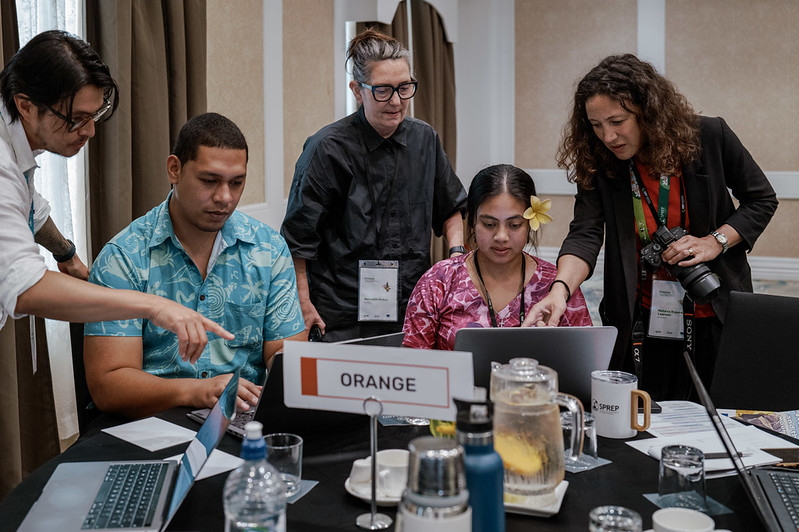
The interactive hands-on sessions build practical understanding of how biodiversity records can move from field notes, spreadsheets, survey data and institutional databases into standardised formats that can be more easily shared and reused. The training materials highlight that these standards help improve data integrity, accuracy and consistency, while also creating a common language that allows biodiversity information to be understood and used more effectively by researchers, institutions and decision-makers.
SPREP’s Director General Mr Sefanaia Nawadra in his opening remarks highlighted that workshops as such reflects the importance of investing in practical regional capacity that enables Pacific countries to better understand, manage and protect their biodiversity.
“High-quality biodiversity data is fundamental to informed environmental decision-making across the Pacific. This is one way to strengthen the systems and skills needed to ensure Pacific biodiversity knowledge is more visible, more accessible and more actionable.”
For Pacific Island countries, strengthening these technical skills is increasingly important as governments and partners work to improve access to biodiversity information for conservation planning, research, environmental monitoring and reporting.
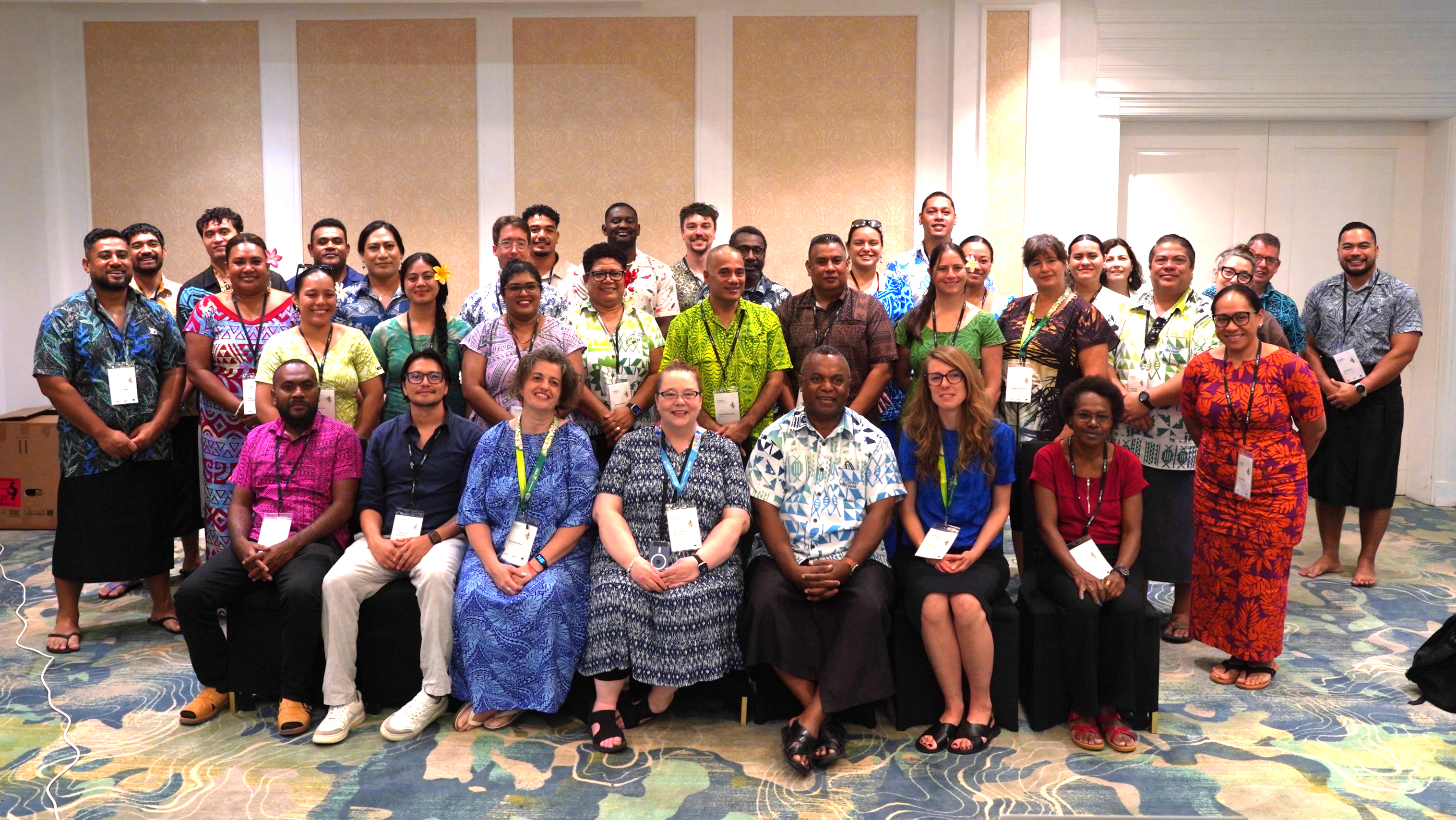
Thirty regional country representatives from four Pacific nations are participating in the training in Apia, who are supported by eight GBIF network mentors from six countries. The events provide an opportunity not only to build individual skills, but also to strengthen regional collaboration around the management and mobilisation of biodiversity data.
As the workshop progresses, participants are expected to gain stronger technical knowledge and confidence in applying international biodiversity data standards within their institutions and national contexts. It also emphasises the value of regional cooperation to ensure Pacific biodiversity data is better captured, managed and positioned to drive conservation outcomes for current and future generations.
The Biodiversity Data Mobilisation Training Workshop and Oceania Regional Node Meeting are financially supported by the Secretariat of the Global Biodiversity Information Facility (GBIF) and the European Union in close partnership with SPREP’s Environmental Governance Programme. It took place in Apia, Samoa from 20 to 23 April and was followed by an Oceania Regional Node Meeting held 24 to 25 April. The mentors that participated were from Argentina, Colombia, Denmark, New Zealand, Papua New Guinea and the United States of America with delegates from Papua New Guinea, Samoa, Tonga and Vanuatu attending.
Images: GBIF