


27 April 2026, Honiara, Solomon Islands - Community conservation rangers from provinces across Solomon Islands gathered at the Barana Community Nature & Heritage Park, Honiara, from April 20-23 for a knowledge exchange and learning programme designed as a platform for collaboration, practical learning and implementation of coordinated and meaningful action to better manage invasive species in a sustainable way across the Solomon Islands.
Led by the Government of the Solomon Islands through the Ministry of Environment, Climate Change, Disaster Management and Meteorology and its Environment and Conservation Division, the exchange programme brought together government agencies, the Ministry of Agriculture & Livestock Biosecurity, NGOs, and community rangers to strengthen environmental management efforts.
The Pacific Regional Invasive Species Management Support Service (PRISMSS), Resilient Ecosystems, Resilient Communities (RERC) programme, Rangers Network Exchange enables the community conservation rangers to better understand safe and effective weed management practices, application of appropriate control methods and strengthening of site-based restoration efforts.
The Secretariat of the Pacific Regional Environment Programme (SPREP) led PRISMSS RERC programme in an identified Barana community conservation area has already shown how community rangers can lead the fight against invasive species.
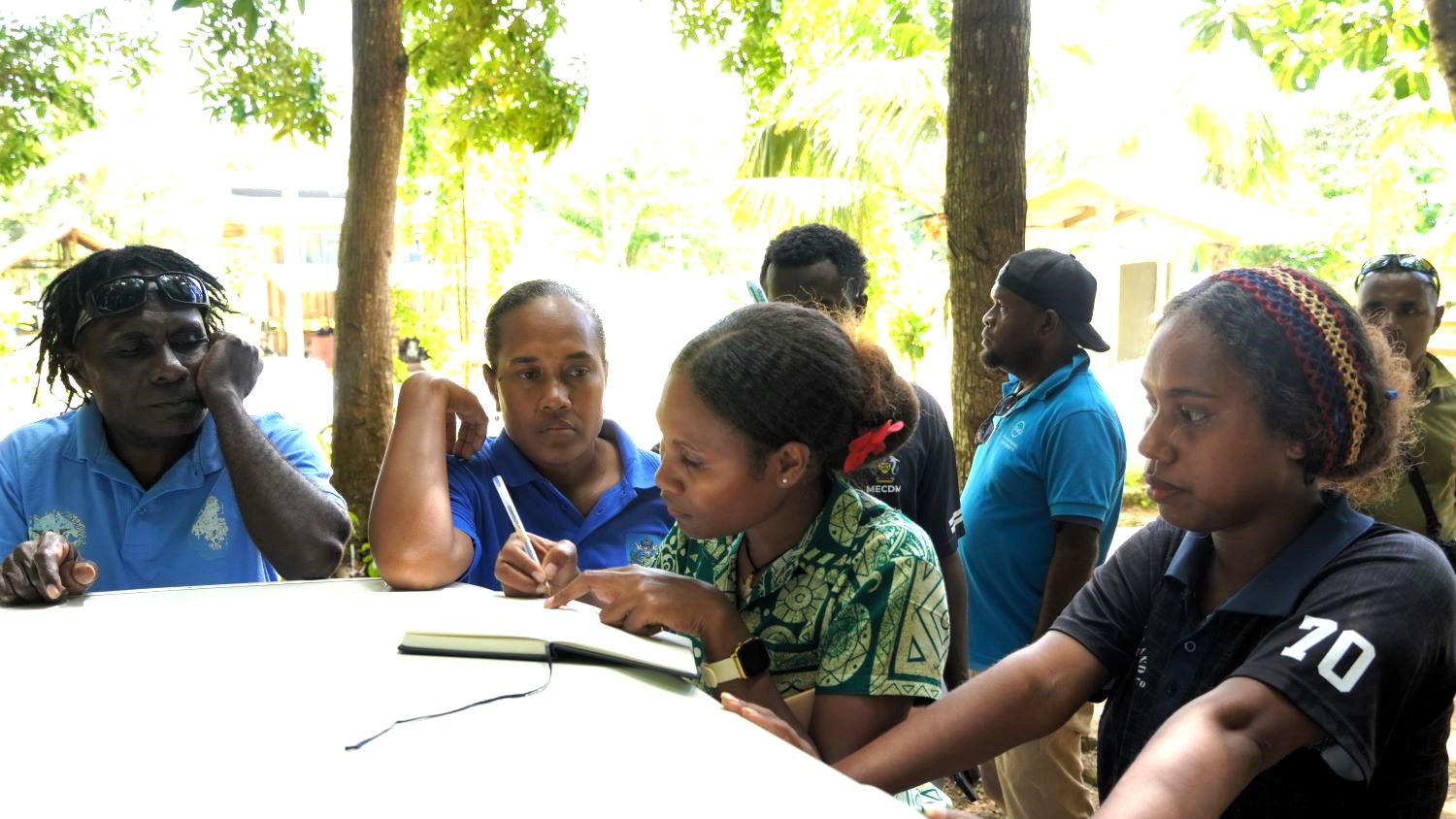
A community capacity building programme was undertaken at the Barana conservation site by the PRISMSS RERC programme in 2025, where the community were provided with tools, resources and trained on how to properly use them to manage invasive weeds within identified management zones.
The PRISMSS RERC rangers exchange programme has been designed to showcase the impact of invasive species management and engage rangers from across various provinces in knowledge sharing sessions and enable hands on weed and predator management training while learning and using safe herbicide use and application methods within identified management zones.
The exchange programme sessions will also include predator control and management, with BirdLife International, co-technical lead of the PRISMSS RERC programme, contributing expertise on rat, ferral pig and cat control.
Mr Josef Hurutarau, Director ECD, while delivering the opening remarks for the knowledge exchange and learning programme commented, “we acknowledge with gratitude the funding from the New Zealand Government through New Zealand Foreign Affairs & Trade (MFAT), the United Kingdom International Development, the Solomon Islands Government for coordination and supporting the implementation of the PRISMSS RERC programme here in Barana.”
“Our rangers are at the frontline of conservation in our country and their work in managing invasive species, restoring ecosystems and protecting biodiversity is vital, not only for the environment but for our people.”
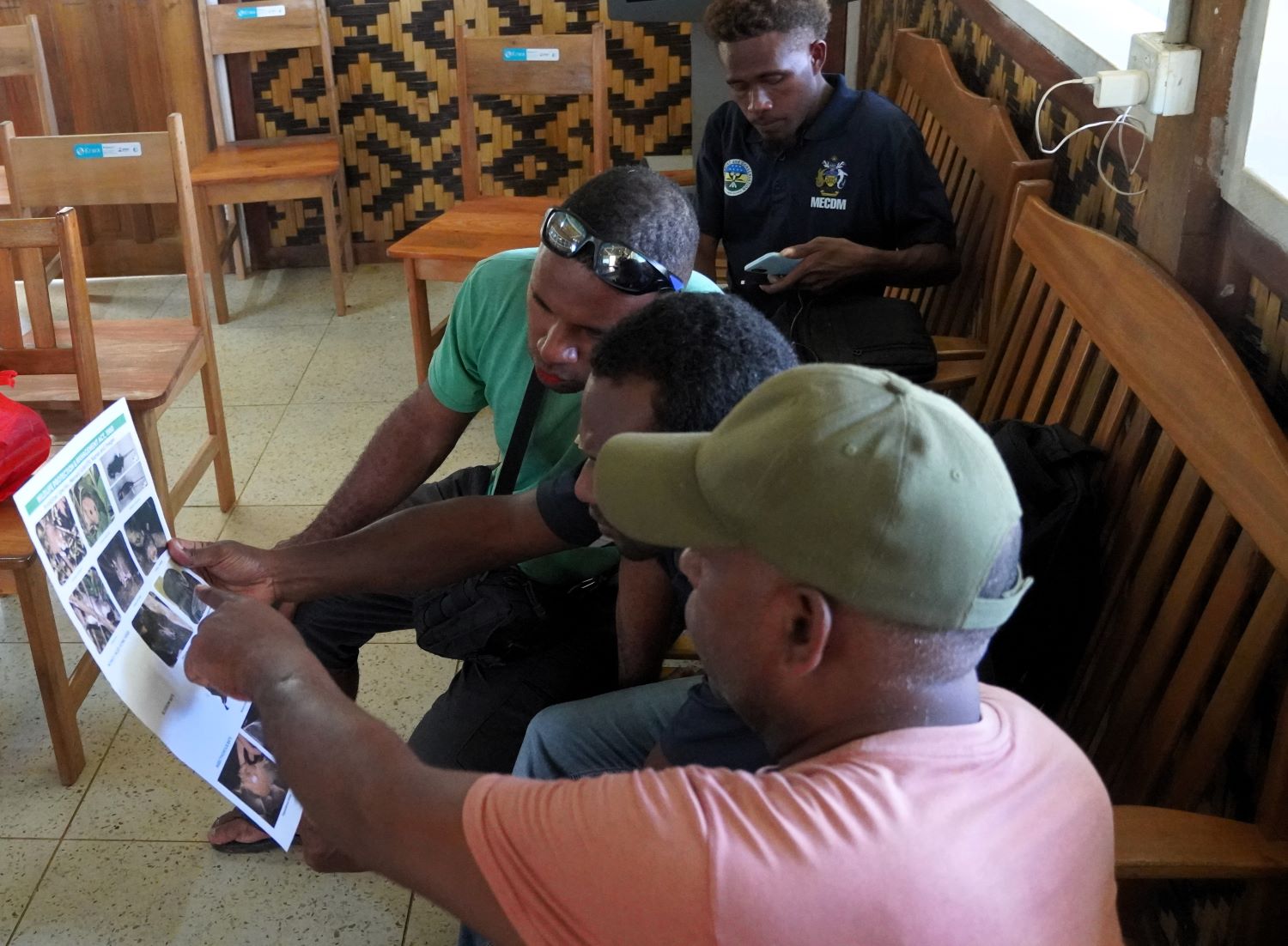
The ECD Director reminded the rangers from the various provinces that their participation reaffirms the importance of capacity building and integrating traditional ecological knowledge with modern science to make conservation efforts more sustainable and effective.
“Solomon Islands is blessed with rich biodiversity and high level of endemism, species found nowhere else in the world and these ecosystems are vital to our identity, our livelihoods and our future.”
“The knowledge shared and lessons learned here in Barana will not remain here but extend to other provinces and communities across Solomon Islands.”
The Director encouraged the rangers to develop meaningful actions and strengthen partnerships to combat invasive species across the Solomon Islands.
“I encourage all rangers to use this opportunity to share your field experiences and expertise with each other, strengthen networks and partnerships and build technical skills from the hands-on experience through activities designed for you all as these efforts will support our national mandates and build community resilience.”
As part of the session’s rangers will develop community conservation area site specific action plans and also identify ways to further strengthen the national rangers’ network.
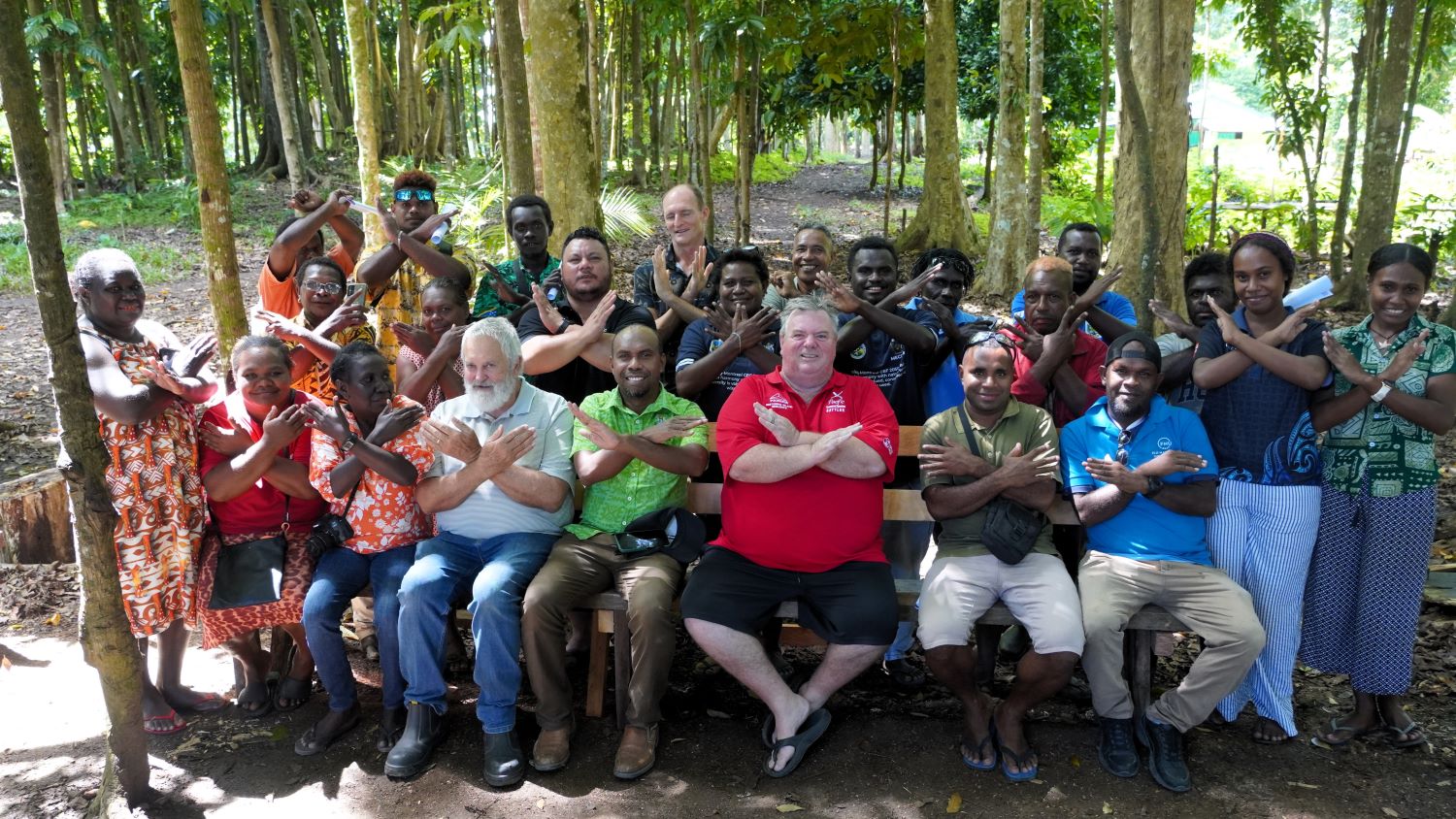
These activities are designed to build both individual capacity and collective strength in addressing invasive species in a sustainable and affordable manner while making both the ecosystem and communities resilient.
SPREP Invasive Species Adviser, Mr David Moverley commented that, “our RERC programme is one of PRISMSS’s strategic programmes focused on ecological restoration, weed and predator management, and community‑based conservation in priority sites.”
“It enables practical, low‑cost interventions that combine traditional knowledge with simple technical tools to restore ecosystem function and community resilience, and we are glad to see that the programme is showing positive signs here at the Barana community conservation site.”
By combining traditional knowledge with modern conservation science, inclusivity and the right resources and tools, rangers will learn to identify invasive species early, apply practical management techniques and integrate cultural practices that ensure solutions are accepted and sustainable.
The PRISMSS RERC programme has recently completed a similar rangers’ network and learning exchange programme in Vanuatu with a scheduled programme upcoming for the Federated States of Micronesia and within the region in later 2026.
--------------------------------------------------------------------------------------------------------------
About PRISMSS: The Pacific Regional Invasive Species Management Support Service (PRISMSS) is a service designed to facilitate the scaling up of operational management of invasive species in the Pacific. PRISMSS brings together experts to provide support within the Pacific region with a focus on protection of indigenous biodiversity and ecosystem function. As a service provider, PRISMSS provides a comprehensive suite of support services in a cohesive, effective, efficient, and accessible manner to Pacific Island countries and territories.
Restoring Island Resilience (RIR): The PRISMSS - Restoring Island Resilience (RIR) is a New Zealand-PRISMSS collaboration project that aims to improve Pacific Island Countries and territories livelihoods and resilience to climate change by reducing the impact of invasive species on natural and agricultural ecosystems through the six PRISMSS programmes.
PRISMSS Powered by: New Zealand Foreign Affairs & Trade, United Kingdom International Development, GEF, United Nations Environment Programme & SPREP.
PRISMSS Partners: Bioeconomy Science Institute NZ, Birdlife International, Earth Sciences New Zealand, New Zealand Department of Conservation, Island Conservation, the Pacific Community and SPREP.
PRISMSS Programmes: Protect Our Islands (POI), Predator Free Pacific (PFP), War on Weeds (WOW), Natural Enemies Natural Solutions (NENS), Resilient Ecosystems Resilient Communities (RERC) and Protect Our Marine Areas (POMA).
For additional information please contact Mr Dominic Sadler, PRISMSS Manager on dominics@sprep.org or Mr Nitish Narayan, PRISMSS Communications & Liaison Officer on nitishn@sprep.org