


17 March 2026, Majuro, Republic of the Marshall Islands – Spread across 29 low-lying atolls and five coral islands, with an average elevation of just two metres above sea level, the Republic of the Marshall Islands (RMI) stands among the most physically vulnerable nations on Earth to the climate crisis.
RMI continues to encounter the most severe consequences of climate change yet remains a steadfast leader in global climate action. This leadership is being demonstrated once again this week as RMI progresses national efforts to address climate change induced loss and damage through the Building Our Pacific Loss and Damage (BOLD) Response Project Inception Workshop.
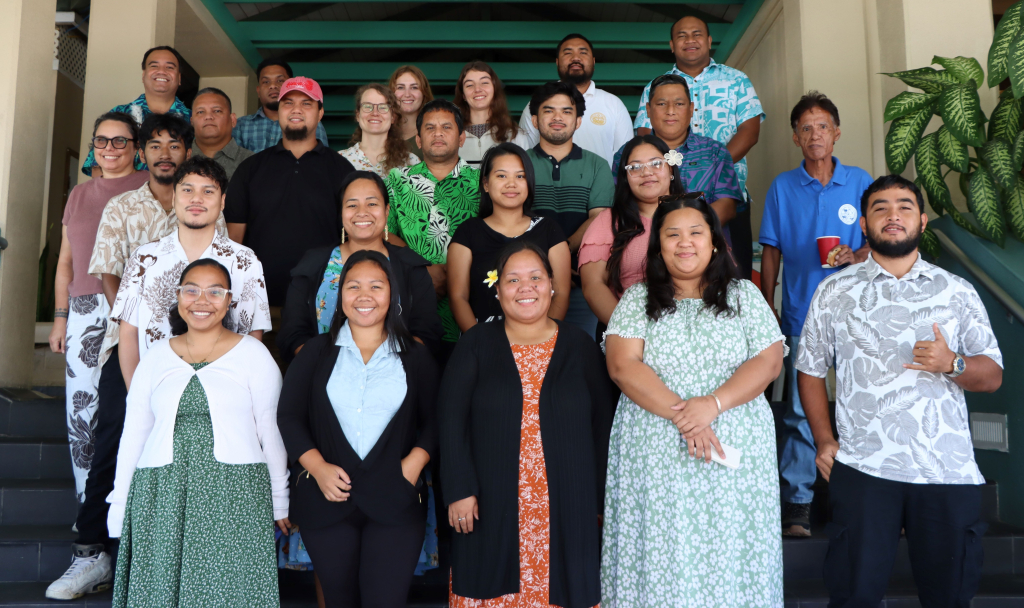
Held from 17-19 March, the workshop brings together key stakeholders to set the priorities in strengthening a national response to loss and damage. Supported by the Secretariat of the Pacific Regional Environment Programme (SPREP) and Climate Analytics, the workshop is an opportunity to discuss the project and ensure the approach to achieve the agreed project objectives are aligned with national priorities, needs, and existing efforts.
“Our land, our culture, our identity, and our very existence as Marshallese people is under threat from a crisis, to which we had negligible contributions to its cause. This is the injustice at the heart of our climate action, and the reason we are here today.”
“For the Marshall Islands, sea level rise, saltwater intrusion and frequent flooding events are already causing economic loss and damage, threatening our freshwater supply and food security. Beyond economic costs, climate change also leads to significant non-economic loss and damage including threats to our cultural heritage, traditional knowledge and community identity.”
Mr Warwick Harris, Deputy Director of the RMI Climate Change Directorate says, in shedding light on the importance of building a response to loss and damage.
The BOLD Response Project is a five-year initiative funded by the Government of Germany under the International Climate Initiative (IKI), across five Pacific island countries. By enabling Pacific countries to integrate loss and damage considerations in national planning, the project has the potential to safeguard important economic and non-economic values.
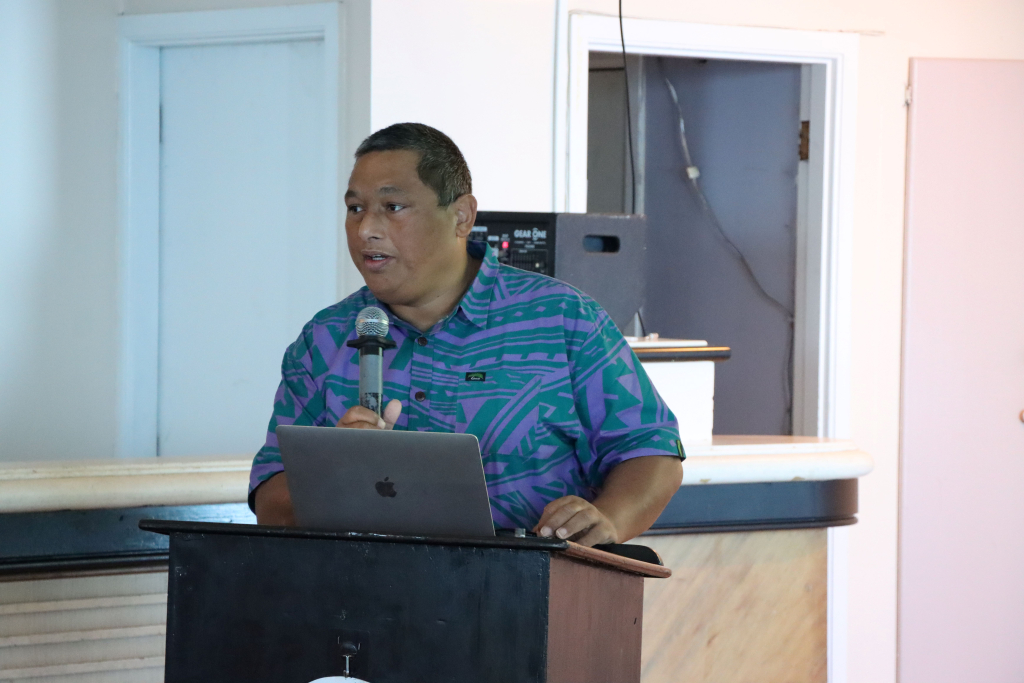
BOLD Response Project Manager Mr Malaki Iakopo highlighted the importance of engaging with stakeholders to build a national response to loss and damage.
“As we move towards adaptation limits, the BOLD project plays an important role in building understanding of non-economic loss and damage in the Marshallese context, identifying community needs and culturally grounded responses as well as exploring climate finance mechanisms for loss and damage efforts”, he said.
In 2018, RMI was the first Small Island Developing State to submit a long-term climate strategy to the United Nations Framework Convention on Climate Change, the Tile Til Eo, committing to net zero emissions and 100% renewable energy by 2050. The work undertaken this week by national stakeholders will chart a path forward in addressing loss and damage, grounded in lived experience and reflects RMI’s determination in the Tile Til Eo to survive, lead, and illuminate the way for others.
The Building our Loss and Damage (BOLD) Response Project is a five-year project running from 2025 to December 2029 and is funded by the Federal Republic of Germany through its Federal Foreign Office, under the International Climate Initiative (IKI). The Republic of Marshall Islands BOLD Inception Workshop is held in Majuro from 17 – 19 March 2026.
BOLD is implemented by a consortium led by the Secretariat of the Pacific Regional Environment Programme (SPREP) and Climate Analytics, across five Pacific Island countries Fiji, the Republic of the Marshall Islands, Samoa, Tuvalu, and Vanuatu.
For more information on the BOLD Response Project, please contact SPREP Climate Change Adaptation Adviser, Filomena Nelson filomenan@sprep.org , BOLD Project Manager, Malaki Iakopo malakii@sprep.org or Climate Analytics – Patrick Pringle patrick.pringle@climateanalytics.org