


On 27 April 2026, partners gathered for the Fiji country launch of the second wave of the Sustainable Waste Actions in the Pacific (SWAP2) Project funded by the Agence française de développement (AFD, the French Development Agency).
Phase two of the SWAP project continues to be implemented by the Secretariat of the Pacific Regional Environment Programme; it builds upon the successful phase one of SWAP at 3 million Euro (FJS 7.7 million) with an additional 4.3 million Euro (FJD 11 million) to support sustainable waste management in the Pacific region.
“France is fully committed to standing alongside Pacific Island States in addressing one of the major environmental challenges of our time: waste management, particularly marine waste,” stated Mr Benjamin Delannoy, Chargé d’Affaires French Embassy in Fiji.
“Through the SWAP Phase 2 project, we affirm a strong conviction: that ocean protection is inseparable from the sustainable development of territories and the well-being of communities.”
SWAP2 will continue to support local communities and authorities in the development of national waste management policies and actions, improve the delivery of waste services through development of waste management infrastructures and implementing pilot projects, as well as strengthen the technical, financial and governance capacities of authorities and practitioners.
“Waste management in the Pacific is not only an environmental challenge; it is a matter of sovereignty and resilience. Through SWAP Phase 2, AFD is proud to financially support the priorities defined by the Ministry of Environment and Climate Change and the Pacific region,” said Ms Elodie Vitalis, Head of AFD in Fiji.
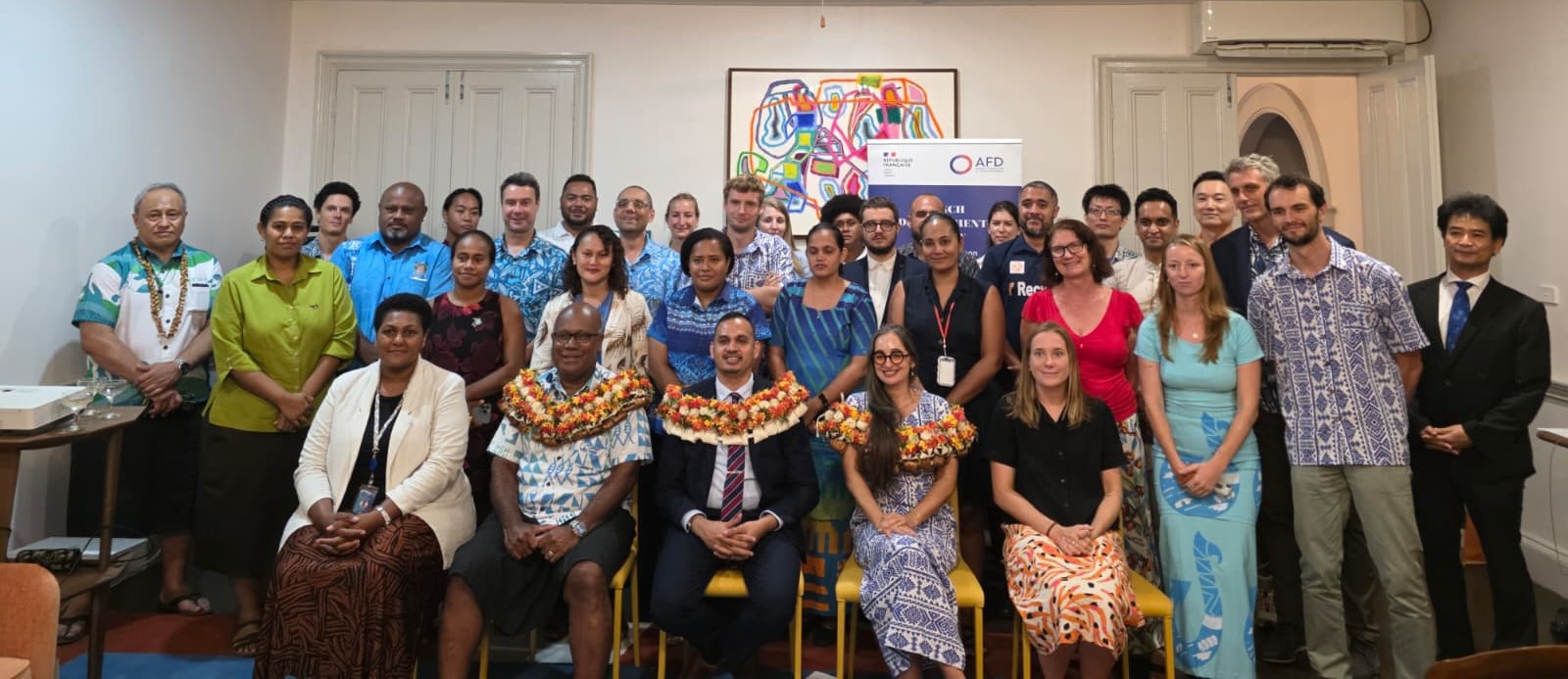
This support will focus on the four components of marine litter, used oils, solid waste as well as regional collaboration and knowledge sharing in the nine Pacific Island Countries and Territories of Fiji, French Polynesia, Kiribati, Samoa, Solomon Islands Tonga, Tuvalu, Vanuatu and Wallis-and-Futuna.
In Fiji, this includes targeted actions to better understand and address marine litter through surveys, audits, and community awareness activities across selected sites, as well as the installation of trash booms in rivers to prevent waste from reaching the ocean. The project will also support improvements to waste infrastructure at the Naboro landfill, including the repair and installation of weighbridges to strengthen data collection and management, and a feasibility study to enhance used oil collection systems nationwide.
“But beyond these interventions, SWAP2 is also about shifting the way we think about waste, from something we discard, to something we manage responsibly as part of a broader system that protects our environment, our economy, and our people,” said Dr Sivendra Michael, Permanent Secretary of Fiji’s Ministry of Environment and Climate Change.
“These practical interventions are essential to improving how our systems function on the ground.”
Across the region these efforts will be implemented in close collaboration with national authorities and partners, ensuring that solutions are adapted to local contexts and contribute to long-term environmental and socio-economic resilience.
“Implemented by SPREP, which brings strong technical expertise and regional knowledge, the project delivers concrete solutions on the ground, from reducing marine waste to strengthening waste management systems and supporting public policies. Our role is to stand alongside our partners, governments, regional organisations and communities, to help deliver visible, lasting results, anchored locally and sustained over time.”
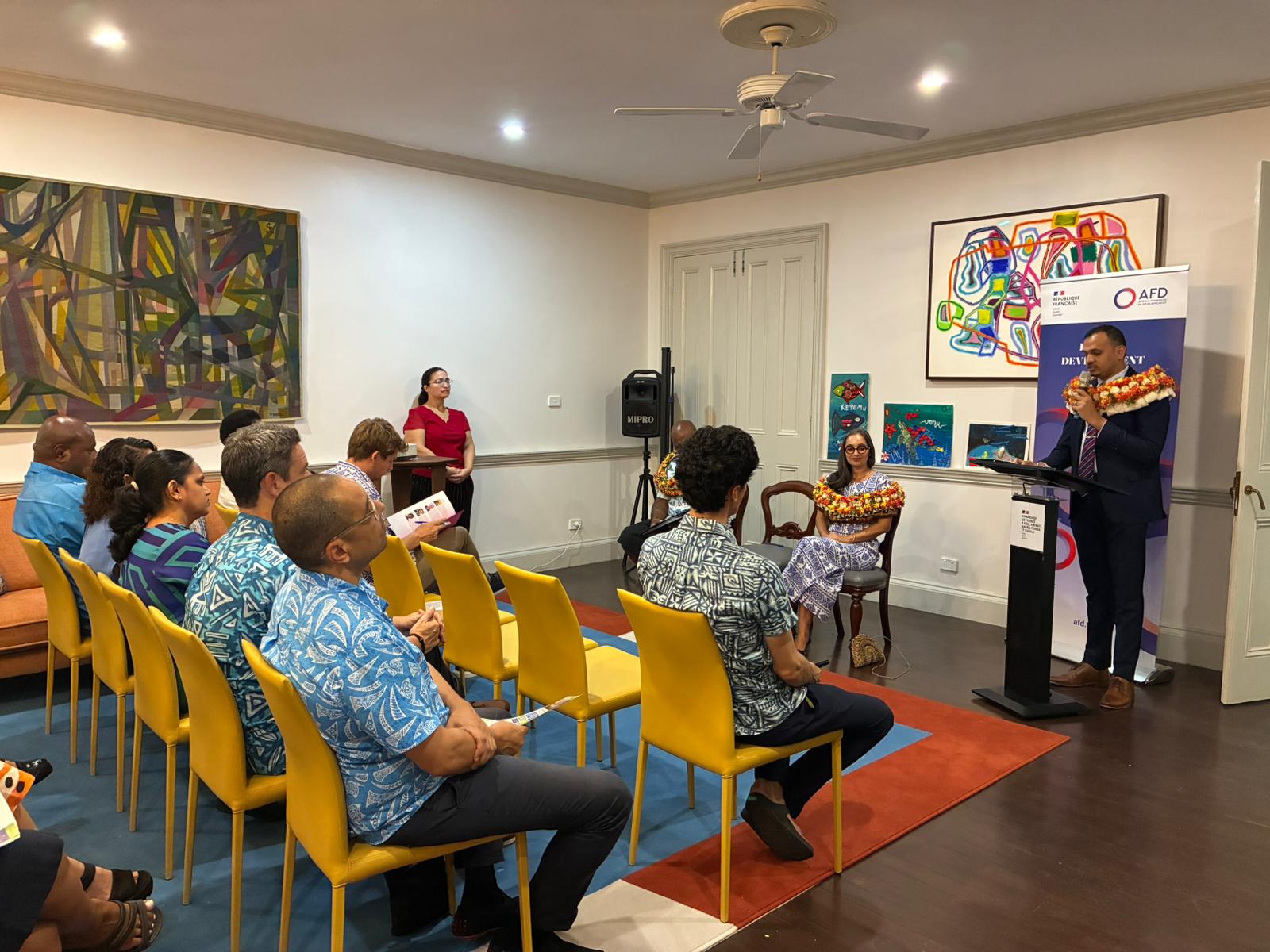
SWAP phase one from 2020 to 2024 resulted in successful outcomes. Samoa, Solomon Islands, Tonga and Vanuatu constructed Used Oil Management Facilities and, or procurement of storage equipment. There were 77 beach clean ups conducted leading to 62 waste audits involving over 2600 volunteers and 45 communities across Fiji, Samoa, Solomon Islands, Tonga, Vanuatu and Wallis-and-Futuna. Access roads at the Luganville Dumpsite and Bouffa Landfill in Vanuatu were upgraded. A scrap metal recovery facility was constructed in Wallis-and-Futuna and a second-hand backhoe loader for Gizo Waste Disposal was procured for Solomon Islands.
The sustainable waste actions applied in the SWAP phase one countries have since been replicated by other countries.
“Across the Pacific, our ocean defines who we are. It sustains our livelihoods, shapes our cultures, and connects our islands. Yet, it is increasingly under threat from waste and pollution, particularly marine litter”, said Mr Amenatave Yauvoli, Director of Biodiversity and Conservation of SPREP.
“The impacts are felt most acutely here, in Small Island Developing States, where limited land, infrastructure, and resources make waste management particularly complex. This is precisely why initiatives like SWAP are so important and we must seize this opportunity.”
The SWAP2 Project will span 2025 to 2028, helping to address the Pacific Regional Waste and Pollution Management Strategy (Cleaner Pacific).
SWAP2 contributes to the goals of the Cleaner Pacific Strategy by improving waste infrastructure, building capacity and fostering regional collaboration. The nine SWAP PICTS are Fiji, French Polynesia, Kiribati, Samoa, Solomon Islands, Tonga, Tuvalu, Vanuatu, and Wallis and Futuna.
The Sustainable Waste Actions in the Pacific – Phase 2 (SWAP2) Project is funded by the Agence française de développement (AFD) https://www.afd.fr and executed by the Secretariat of the Pacific Regional Environment Programme (SPREP) www.sprep.org
For further information please visit: https://swap.sprep.org/.